Policy analysis, technical reports and datasets on European building energy renovation.
The research archive collects policy analysis, technical explainers and evidence reviews on building energy renovation across the European Union and its neighbouring markets. Each piece focuses on a specific question - the depth of national subsidy schemes, the transposition of the revised EPBD, the supply chains behind heat pump deployment, or the materials science of low-carbon insulation - and works through the available evidence rather than summarising it second hand.
Sources are drawn from publicly available material: national EPC registries, Eurostat housing and construction statistics, EPBD national implementation reports, and peer-reviewed technical literature. Where figures are cited, they are linked back to their origin so that readers can check the underlying data. The aim is a reference that is useful to policy professionals, researchers and practitioners alike, without overstating the certainty of any single estimate.
Use the filters below to browse by theme - policy, standards or technical - or search for a specific country, regulation or technology. The collection is updated as new analysis is completed.
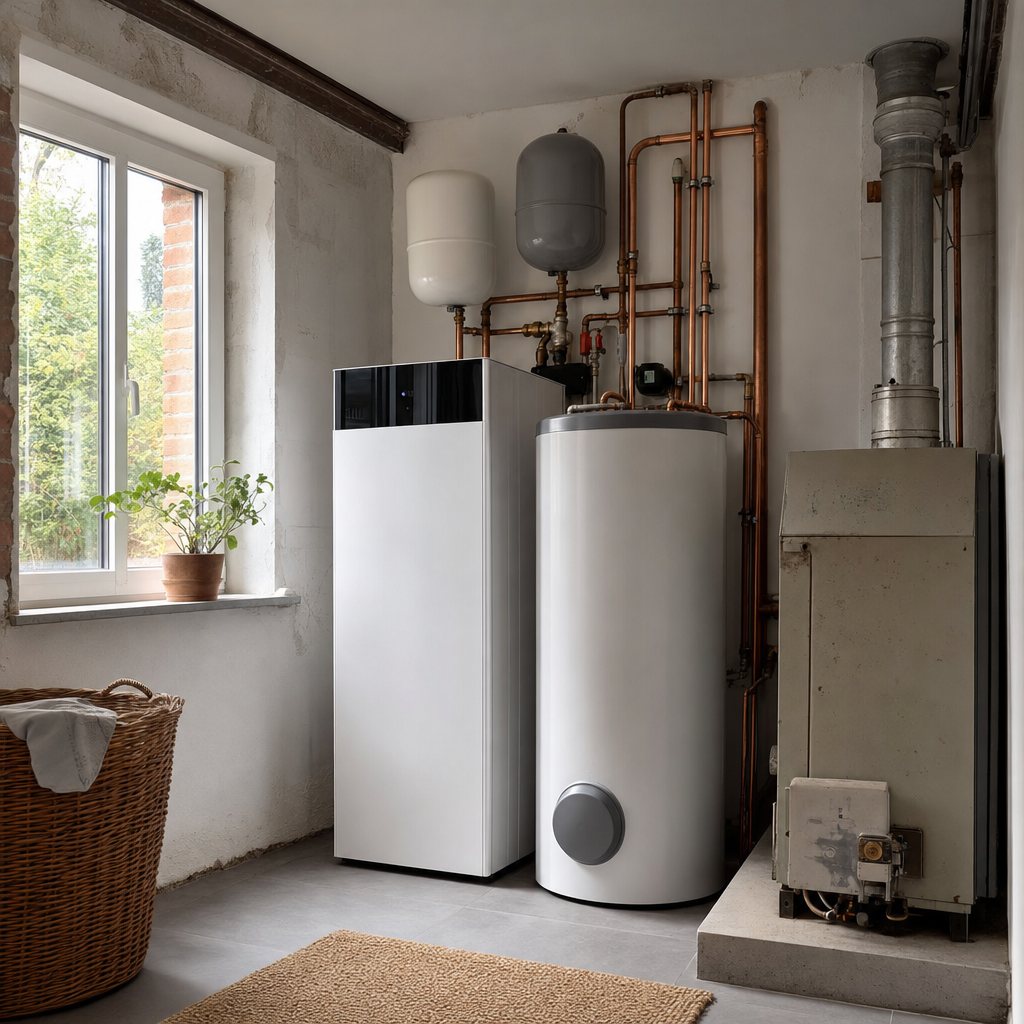
The recast EPBD ends subsidies for stand-alone fossil fuel boilers from 2025 and sets the goal of phasing them out of buildings by 2040. What is and is not banned.
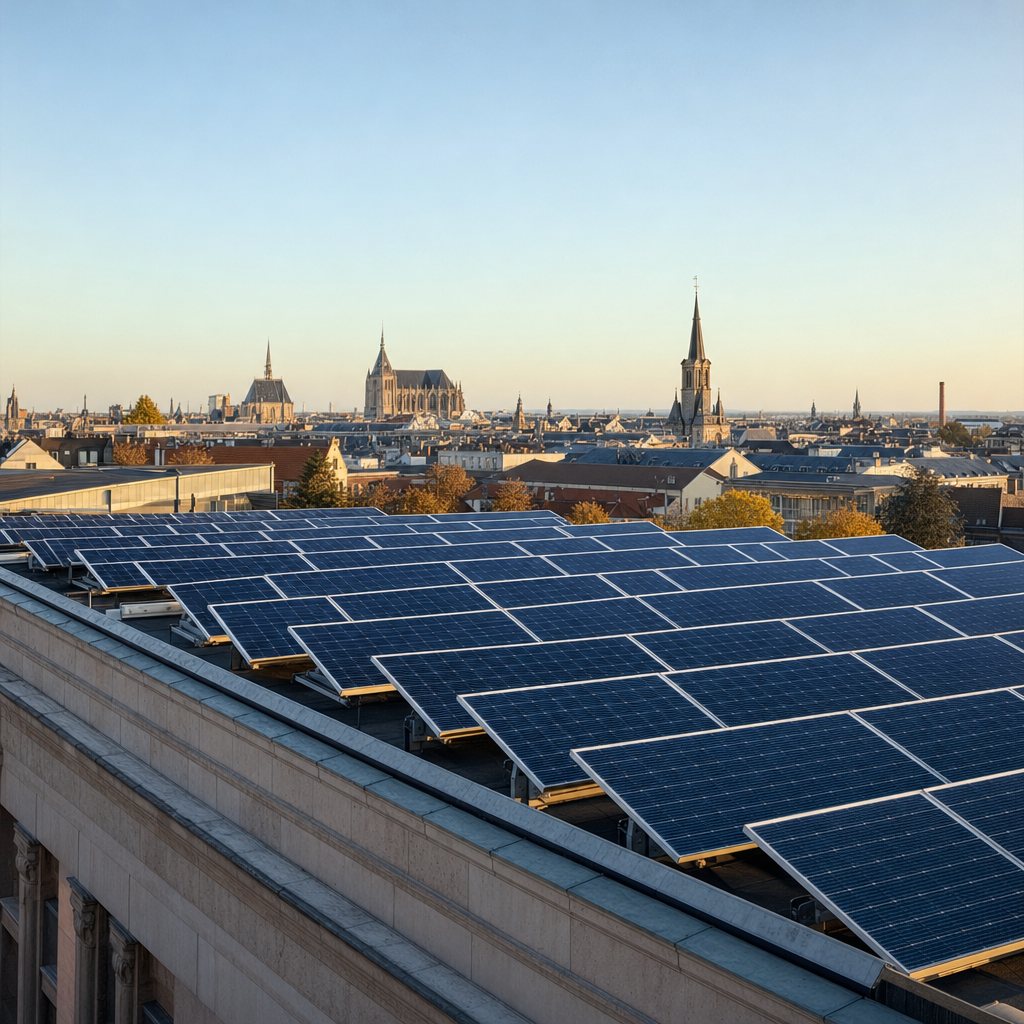
Article 10 of the recast EPBD phases in solar installations on new and existing buildings between 2026 and 2030. A timeline of who is covered and when.
The recast EPBD harmonises energy performance certificates around a common A to G scale. What the classes mean, when an EPC is needed and how long it stays valid.
How the recast EPBD defines zero-emission buildings, when the standard becomes mandatory for new construction and how it replaces the NZEB benchmark.
Mycelium composites are grown rather than manufactured. What published research says about their insulating performance, and why fire safety, moisture and certification still limit their use.
Households in energy poverty often live in the least efficient homes and are the least able to renovate them. How EU law now links building renovation and social protection.
The Renovation Wave strategy set out to double the rate of energy renovation in EU buildings by 2030. A look at its goals, the legislation built on it, and the…
France combines rental restrictions on poorly rated homes with large renovation subsidies. A guide to the DPE, the Climate and Resilience Law, MaPrimeRénov' and the other instruments.
Heat pumps are central to decarbonising heat in Europe. A look at where the supply chain depends on imports, how refrigerant rules are reshaping products, and the EU's industrial policy…
What Article 9 of the recast EPBD requires: binding standards for the worst-performing non-residential buildings, a national trajectory for homes, and the exemptions member states can use.
Every deadline of the recast EPBD, from the 2026 solar requirements to the 2040 boiler phase-out, in one timeline.